
History
Lord Morrow’s Human Trafficking and Exploitation Bill emerged as a proposal aimed at strengthening Northern Ireland’s response to human trafficking, slavery, and exploitation. The Bill advanced through the Assembly with broad cross‑party backing, reflecting widespread concern about trafficking and the demand for sexual services. After extensive debate, including opposition from some political leaders and law‑enforcement concerns about specific clauses, the final legislation—formally enacted as the Human Trafficking and Exploitation (Criminal Justice and Support for Victims) Act (Northern Ireland) 2015—received Royal Assent on 13 January 2015. The Act implemented a comprehensive framework to strengthen prosecutions, increase victim support, and, most notably, introduced the Nordic model by criminalising the purchase of sexual services while decriminalising their sale—making Northern Ireland the first UK jurisdiction to adopt this approach.
-
Despite criticism, the introduction of the Nordic Model in Northern Ireland was a step forward in protecting women and girls from commercial sexual exploitation.
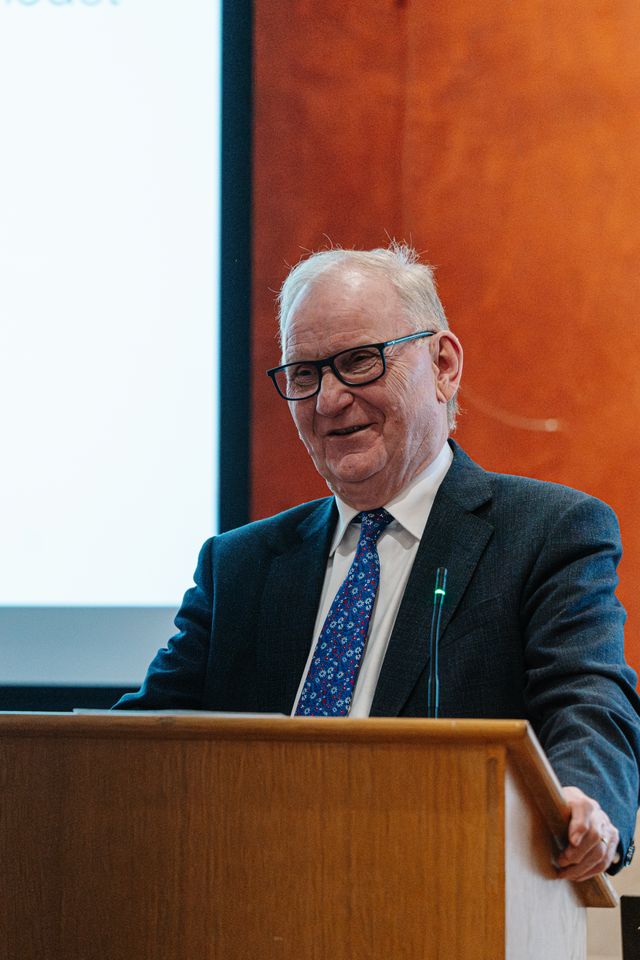
Lord Morrow, reflecting on over a decade of his Act at the APG launch event stated ““The Nordic Model is about protection. Protection from commodification and exploitation and we remain steadfast in ensuring that this legislation is providing optimal protection for victims”. 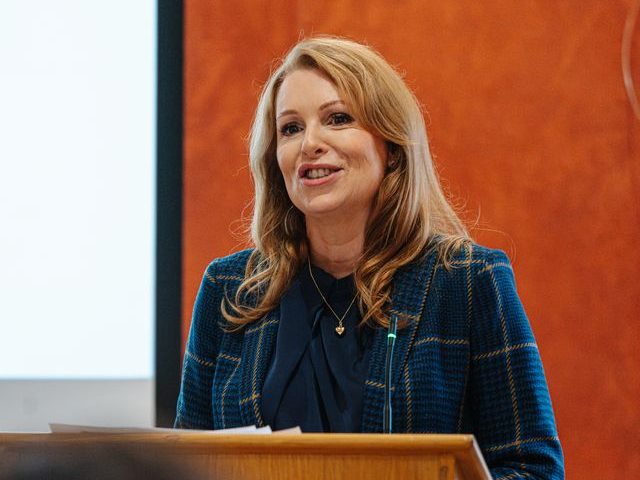
Ash Regan MSP, who sought to introduce the Nordic Model in Scotland through her Prostitution (Offences and Support) (Scotland) Bill, praised Lord Morrow for his work and the his Act.
 APG on Modern Slavery and Commercial Sexual Exploitation